
Share
Author
Crystal McCarthy, MSN-Ed, RN
Share
Healing Trauma, Restoring Balance, Regaining Life
What Is PTSD?
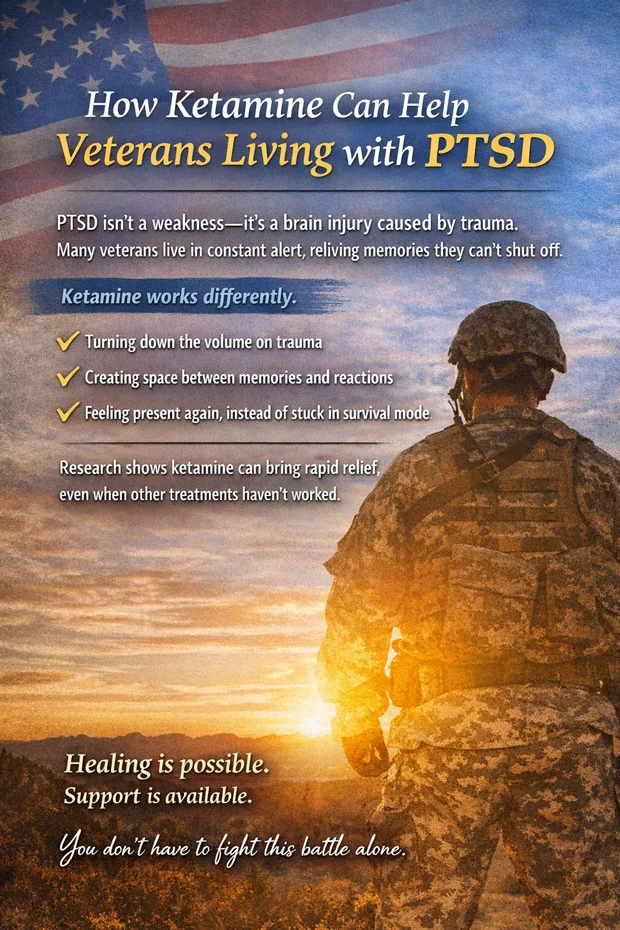 Post-Traumatic Stress Disorder (PTSD) is a mental health condition that can develop after experiencing or witnessing a traumatic event. Trauma can include accidents, natural disasters, military combat, physical or sexual assault, or the sudden loss of a loved one. PTSD goes beyond normal stress or grief—it affects how your brain processes fear, safety, and memory, and can interfere with daily life, relationships, and overall well-being.
Common PTSD symptoms include:
- Intrusive thoughts or flashbacks of the trauma
- Avoidance of people, places, or activities that trigger memories
- Heightened arousal or anxiety, including irritability, hypervigilance, or difficulty sleeping
- Changes in mood or thinking, such as guilt, shame, or emotional numbness
What Causes PTSD?
PTSD arises when the brain and body struggle to process and recover from trauma. Several factors can increase risk:
- Intensity or duration of the traumatic event
- Previous trauma or chronic stress
- Limited social or emotional support
- Biological or genetic predispositions
In PTSD, the brain’s stress response system can remain overactive, while areas that regulate emotion and memory may function differently. This can make it difficult to “reset” after trauma, leading to persistent symptoms.
How Ketamine Can Help
Ketamine provides a novel, evidence-supported treatment for PTSD, particularly for individuals who have not found sufficient relief with traditional therapies or medications.
Ketamine works on the brain’s glutamate system, which is critical for learning, memory, and emotional regulation. By modulating NMDA receptors and increasing glutamate activity, ketamine promotes neuroplasticity—the brain’s ability to form new, healthier connections. This helps “reprogram” trauma-related neural circuits, allowing patients to process difficult emotions more effectively and reduce the intensity of PTSD symptoms.
Benefits patients often report include:
- Decreased intrusive thoughts and flashbacks
- Reduced anxiety and hyperarousal
- Improved mood and emotional stability
- Greater capacity to engage in therapy and daily life
Ketamine therapy can provide rapid relief, sometimes within hours or days, offering a valuable option for individuals struggling with severe or treatment-resistant PTSD.
Why Choose Thrive Ketamine Mental Health & Wellness
At Thrive Ketamine Mental Health & Wellness, your care is safe, personalized, and supportive. Our licensed clinicians create individualized treatment plans, combining ketamine therapy with ongoing mental health support to maximize results. Every step of your journey is monitored for safety, comfort, and effectiveness.
We provide:
- In-office and at-home options for flexibility and comfort
- Clinical supervision and ongoing support from experienced providers
- Tailored treatment plans designed for your unique symptoms and goals
Take the Next Step Toward Healing
If PTSD is impacting your life, ketamine therapy at Thrive may help you regain balance, reduce symptoms, and restore hope.
Request your consultation today to learn if you qualify and begin a personalized journey toward healing.
Frequently Asked Questions: PTSD & Ketamine Therapy
- Is ketamine safe for PTSD? Yes. When administered by licensed clinicians in a controlled medical setting, ketamine has a strong safety record. At Thrive Ketamine Mental Health & Wellness, every treatment is carefully tailored to your health history, monitored during administration, and supported with follow-up care to ensure safety and comfort.
- How quickly can I expect to see results? Many patients notice improvements within hours to days after a ketamine session. Some relief may be immediate, while other benefits, like reduced anxiety or improved emotional resilience, may develop gradually over a series of treatments. Your care team will work with you to track progress and optimize your treatment plan.
- How many ketamine treatments will I need? The number of sessions varies depending on symptom severity, prior treatment history, and individual response. Most patients begin with a series of sessions to establish relief, followed by maintenance treatments if needed. Your clinician will create a personalized plan to help you achieve the best possible outcomes.
- Can ketamine help with flashbacks and intrusive memories? Yes. Ketamine’s impact on neuroplasticity can help “reset” trauma-related brain circuits, reducing the intensity and frequency of flashbacks and intrusive memories. Many patients also find it easier to engage in therapy and develop coping strategies after treatment.
- Is ketamine used alone or with therapy? Ketamine is often most effective when combined with ongoing mental health support, including therapy. This integrated approach helps patients process emotions, develop coping skills, and reinforce the neural changes initiated by ketamine.
- Who is a candidate for ketamine therapy for PTSD?
- Candidates typically:
- Have persistent PTSD symptoms despite conventional treatments
- Do not have active substance use issues or severe psychiatric instability
- Can safely participate in supervised ketamine therapy and follow the care plan
- Your clinician will complete a thorough evaluation to ensure that ketamine therapy is safe and appropriate for you.
- Candidates typically:
- Can I receive ketamine treatment at home? Yes. For qualified patients, Thrive Ketamine Mental Health & Wellness offers at-home ketamine therapy with the same clinical oversight, monitoring, and safety protocols as in-office treatments. This option provides flexibility, comfort, and privacy while maintaining professional support.