Share
Author
Crystal McCarthy, MSN-Ed, RN
Share
Ketamine is a medication that was first developed in the early 1960s as an anesthetic. Today, it is one of the most widely used and well-studied medications in modern medicine and is included on the World Health Organization’s List of Essential Medicines. In the United States, ketamine is FDA-approved for use as an anesthetic.
It has an exceptional safety record in medical and surgical settings and has been used for decades in procedures ranging from pediatric surgery to emergency medicine. Ketamine is also commonly utilized to manage severe, difficult-to-treat pain conditions, such as Complex Regional Pain Syndrome (CRPS/RSD). The U.S. military has relied on ketamine as a battlefield anesthetic since the Vietnam War, and it is widely used in veterinary medicine as well.
While ketamine is FDA-approved and marketed specifically as an anesthetic, clinicians may legally prescribe it for other medical purposes, known as “off-label” use. Off-label prescribing is common in the United States, with an estimated one in four prescription medications used this way. Ketamine is classified as a DEA Schedule III medication, reflecting its accepted medical use and regulated status.
How Does Ketamine Work for Depression?
Ketamine treats depression in a way that is very different from traditional antidepressants. Most standard medications—like SSRIs—work by slowly adjusting levels of serotonin, norepinephrine, or dopamine and can take weeks to show meaningful benefit. Ketamine acts on a completely different brain system and often works much more rapidly.
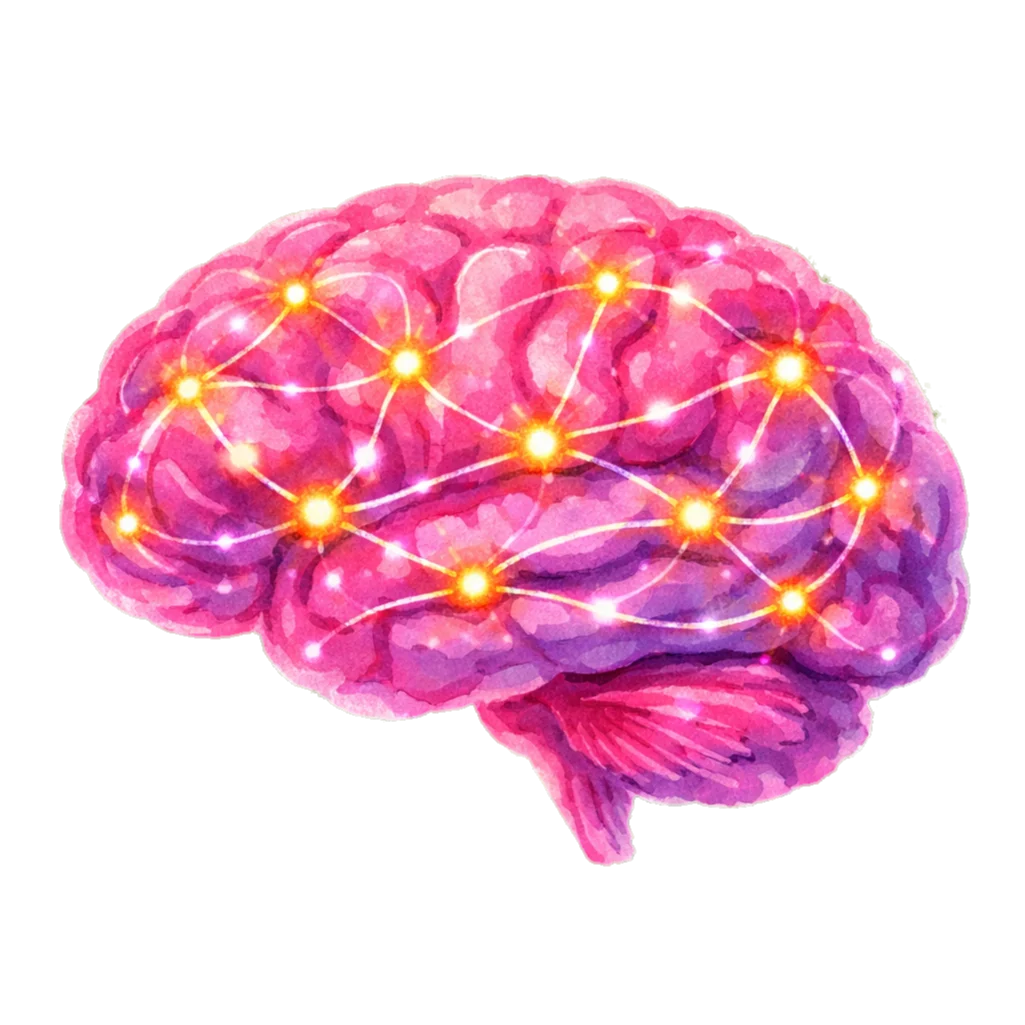
Ketamine primarily targets the brain’s glutamate system, the most abundant and important neurotransmitter network involved in learning, memory, and mood regulation. Specifically, ketamine blocks NMDA receptors, which triggers a cascade of neurochemical events that increase glutamate activity at AMPA receptors. This process stimulates the release of brain-derived neurotrophic factor (BDNF), a protein essential for brain health and neural growth.
Through this mechanism, ketamine helps promote neuroplasticity—the brain’s ability to form new connections and repair disrupted neural pathways. Depression is associated with reduced connectivity and flexibility in key mood-related brain regions. Ketamine appears to help “reset” these circuits, allowing the brain to communicate more effectively and break out of rigid, negative thought patterns.
Clinically, this can result in rapid improvements in mood, motivation, and emotional responsiveness—sometimes within hours or days rather than weeks. Ketamine has also shown particular benefit for individuals with treatment-resistant depression, as well as those experiencing suicidal thoughts.
While ketamine is FDA-approved as an anesthetic by the Food and Drug Administration, its use for depression is considered “off-label,” a common and legal medical practice when supported by growing clinical evidence. When administered in a controlled medical setting, ketamine can be a powerful tool to help restore hope, relief, and emotional balance for people who have not responded to conventional treatments.
How Does Ketamine Help Anxiety?
Ketamine can help reduce anxiety by working on the brain in a fundamentally different way than traditional anti-anxiety medications. Rather than primarily targeting serotonin or GABA, ketamine acts on the brain’s glutamate system, which plays a central role in mood, stress response, and emotional processing.
By blocking NMDA receptors, ketamine triggers a rapid increase in glutamate signaling at AMPA receptors. This cascade promotes the release of brain-derived neurotrophic factor (BDNF), which supports neuroplasticity—the brain’s ability to form new, healthier connections. Anxiety is often associated with rigid fear pathways and an overactive stress response; ketamine helps interrupt these patterns and allows the brain to respond more flexibly to stress.
Ketamine also appears to calm hyperactivity in brain regions involved in fear and threat detection, such as the amygdala, while strengthening communication in areas responsible for emotional regulation. Many patients describe feeling less “stuck in their head,” with reduced rumination, worry, and physical tension after treatment.
Another important benefit is speed. Traditional anxiety medications may take weeks to reach full effectiveness, while ketamine can provide relief within hours or days. This rapid action can be especially helpful for individuals with severe anxiety, panic symptoms, or anxiety that has not responded to standard treatments.
Although ketamine is FDA-approved by the Food and Drug Administration as an anesthetic, its use for anxiety is considered off-label—a common and accepted medical practice when guided by clinical evidence and careful medical oversight. When administered in a controlled medical setting, ketamine can offer meaningful relief, improved emotional regulation, and a renewed sense of calm for many people struggling with anxiety.
Is Ketamine a “Real” Treatment?
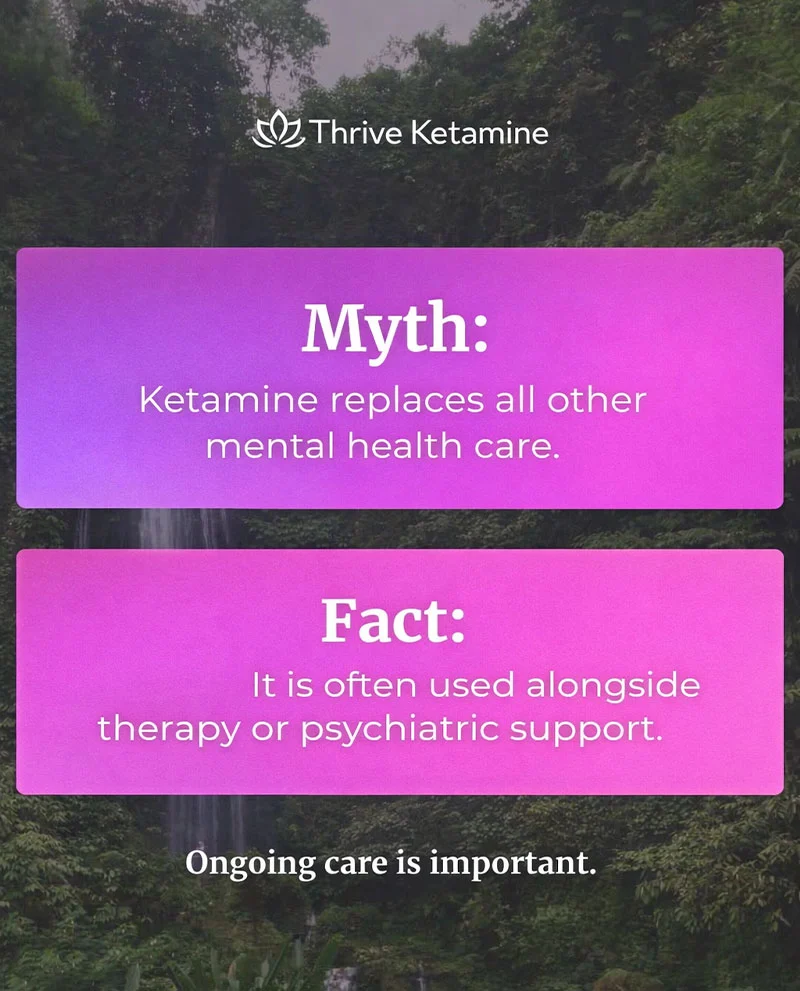 Yes—ketamine is a real, legitimate medical treatment with a long history of use in healthcare.
Ketamine was developed in the early 1960s and has been used safely for decades as an anesthetic in hospitals and surgical settings. It is FDA-approved by the Food and Drug Administration and is listed on the World Health Organization’s List of Essential Medicines, reflecting its importance in modern medicine.
Beyond anesthesia, ketamine is widely used in emergency medicine, pediatric surgery, military medicine, and pain management. In more recent years, extensive research has shown that ketamine can also be highly effective for certain mental health conditions—particularly treatment-resistant depression, anxiety, PTSD, and chronic pain—when provided in a controlled medical setting.
When ketamine is used for mental health conditions, it is prescribed off-label, which is a common and legal medical practice in the United States. In fact, an estimated one in four prescription medications is used off-label. This means the medication is being used based on scientific evidence and clinical experience, even if that specific use is not the original FDA-approved indication.
It’s not hype. The National Institutes of Health has been studying ketamine’s effect on depression for more than ten years. There is serious scholarly research behind this treatment, which means controlled, double-blind, peer-reviewed studies at major institutions.
Researchers at Yale pioneered this research nearly 20 years ago and published the first major study in 2000. Since then, dozens more ketamine studies have been conducted at Yale and other major institutions including NIH, The VA, Harvard, Johns Hopkins, Mt. Sinai Medical School, Oxford University, and many more around the world.
Ketamine is classified as a DEA Schedule III medication, indicating that it has accepted medical uses and is regulated for safety. When administered by trained medical professionals with appropriate screening, dosing, and monitoring, ketamine is considered a safe and evidence-based treatment option for many patients who have not found relief with traditional therapies.
In short: ketamine is not experimental or fringe medicine—it is a well-established medical treatment that is being applied in new, evidence-supported ways to help people heal.
How Soon Will My Symptoms Improve?
One of the unique aspects of ketamine treatment is how quickly many people notice improvement. Unlike traditional antidepressants or anti-anxiety medications—which can take weeks to work—ketamine may begin to reduce symptoms within hours to days after a treatment.
Some patients report early changes such as lighter mood, reduced anxiety, improved sleep, or feeling less overwhelmed even after the first session. For others, improvement is more gradual and becomes noticeable over the course of a series of treatments, with benefits building over time as the brain’s neural connections strengthen.
Response varies from person to person and depends on factors such as diagnosis, symptom severity, treatment history, and individual brain chemistry. While ketamine is not a cure, many patients experience meaningful relief that allows them to re-engage in daily life, therapy, and healthy coping strategies more effectively.
Your care team will monitor your response closely and tailor your treatment plan to help you achieve the most durable and lasting improvement possible.
What Are the Side Effects of Ketamine?
Ketamine is generally well tolerated when administered in a controlled medical setting, but like any medication, it can cause side effects. Most side effects are temporary, mild to moderate, and resolve shortly after treatment.
The most common side effects include:
- Nausea or upset stomach
- Dizziness or lightheadedness
- Feeling drowsy or fatigued
- Mild increases in blood pressure or heart rate
- Headache
- Dissociation (a feeling of detachment or altered perception during treatment)
Some people may also experience blurred vision, tingling sensations, or emotional sensitivity during or shortly after a session. These effects typically fade within minutes to hours as the medication wears off.
Your medical team monitors you closely throughout treatment to ensure safety and comfort, and adjustments can be made to dosing or supportive medications if needed. Most patients find that side effects are manageable and outweighed by the potential benefits of symptom relief.
As with any medical treatment, your provider will review your health history and answer questions in advance so you can feel informed, supported, and confident in your care.